
What Happens to Bees After They’re Relocated
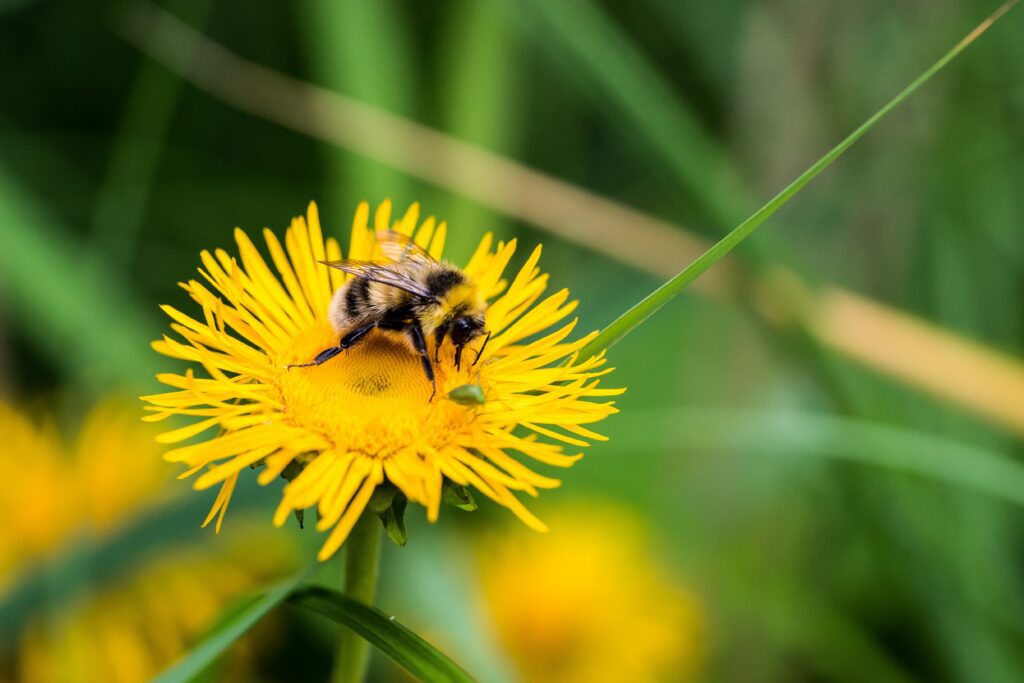
When bees set up a hive somewhere inconvenient, like inside a wall, under a deck, or in a backyard shed, the best solution is not to harm them. A skilled local beekeeper can remove the colony safely and give those bees a proper home where they can continue doing what they do best. But what actually happens after the bees are relocated? Many people are surprised to learn just how well bees adapt to their new environment and how much good they go on to do. This article walks you through the journey bees take after a safe, humane relocation.
Transport to a Safe, Established Apiary
After a colony is carefully removed, the bees are transported to a beekeeper-managed apiary. An apiary is a designated space where multiple hives are maintained under the watchful care of an experienced beekeeper. It is a structured environment designed specifically to support healthy hive growth, and it gives relocated bees everything they need to settle in comfortably.
Once they arrive, the bees are placed into a new hive box. This box becomes their fresh start. It provides shelter, protection, and a familiar hive structure that allows the colony to get back to normal life as quickly as possible. The transition from a wild or unwanted location to a managed apiary is handled with care, so the bees experience as little disruption as possible along the way.
Reorientation and Hive Rebuilding
Bees are remarkably resilient creatures, and their instincts kick in quickly after relocation. In the days following their move, the colony focuses on reorienting itself to the new space. Worker bees begin rebuilding the comb, reorganizing the brood, which includes eggs, larvae, and pupae, and reestablishing food stores to keep the colony nourished and strong.
This process is entirely natural and guided by the bees themselves. The colony works as a unit, each bee playing its role in getting the hive back up and running. What looks like a major disruption from the outside is, to the bees, simply the next chapter. Their built-in drive to maintain the colony carries them through the adjustment period with impressive efficiency.
The Queen’s Role in Colony Stability
One of the most important parts of any successful bee relocation is making sure the queen is moved safely along with her colony. The queen is the heart of any hive. Once she is secure in the new hive box, her presence sends a powerful signal to the rest of the colony.
Worker bees follow her scent and quickly orient themselves around her. This natural response helps the colony stabilize faster and resume normal hive behavior. When the queen is healthy and actively laying eggs, the entire colony settles into a productive rhythm. Her role in the transition cannot be overstated, and experienced beekeepers know to prioritize her safety throughout the entire removal and relocation process.
Foraging in a New Environment
Within just a few days of arriving at their new location, bees begin venturing out to explore their surroundings. They learn the local landscape, identify nearby flower sources and water locations, and establish safe flight paths back to the hive. Bees are efficient learners, and they adapt to new foraging territory relatively quickly.
This exploration is a positive sign that the colony is thriving. As the bees fan out into the surrounding area, they begin playing their most important role in nature: pollination. Every flower they visit, and every plant they interact with, benefits from their presence, and the local ecosystem gets a little stronger because of it.
Support for Local Agriculture and Native Plants
Relocated bees do not just survive in their new home; they genuinely contribute to the health of the environment around them. As they forage, they pollinate gardens, farms, orchards, and native wildflowers. This makes relocation a benefit not just for the bees, but for the broader community as well.
Homeowners with gardens notice more blooms. Farmers and orchardists see stronger yields. Native plant populations are supported by the consistent presence of pollinators. The ripple effect of one successful relocation extends far beyond the hive itself, touching every corner of the local landscape that the bees call home.
Beekeeper Monitoring and Long-Term Care
Relocation does not end once the bees arrive at the apiary. A responsible local beekeeper continues to check on the colony regularly in the weeks and months that follow. These check-ins allow the beekeeper to confirm that the queen is laying properly, that the colony is growing at a healthy pace, and that the bees have enough food stores to sustain themselves.
This ongoing care is what sets managed relocation apart. The bees are not simply dropped off and forgotten. They become part of a living, tended apiary where their health is monitored and supported over the long term. That attention makes a meaningful difference in how well the colony thrives after its move.
Contribution to Local Honey Production
Once a relocated colony has fully settled in and the hive is strong, it may eventually begin producing surplus honey. When that happens, the beekeeper can harvest it responsibly, taking only what the colony does not need for itself. This honey often supports the apiary, is shared with the local community, or becomes part of small-scale local production.
It is a rewarding outcome for everyone involved. What started as an unwanted hive in someone’s property becomes a productive, contributing part of a healthy beekeeping operation. The bees thrive, the beekeeper benefits, and the community gains access to locally produced honey.
A Place in a Sustainable, Bee-Friendly Community
Every bee colony that is relocated rather than destroyed helps strengthen local bee populations. Bees are essential to biodiversity, food production, and the health of ecosystems large and small. When a colony is given a safe second home, it goes on to contribute to all of those things for years to come.
Choosing humane relocation is a decision that benefits people and pollinators alike. It reflects a growing understanding that bees are not pests to be eliminated but vital members of the natural world that deserve protection. A skilled local beekeeper makes that possible by giving every relocated colony the care, space, and support it needs to flourish.
If you have a bee colony on your property and want to explore a safe, humane solution, reach out to our team today, and we will be glad to help.
Frequently Asked Questions
Will the bees try to return to their original location after being relocated?
Some bees may initially navigate back to a familiar area by instinct, but once the colony is properly settled in its new hive with the queen present, the group stabilizes and orients to the new location rather than returning.
Is relocation stressful for the bees?
Bees are naturally adaptable, and a carefully handled relocation minimizes disruption to the colony. With proper technique and a suitable new environment, most colonies transition smoothly and resume healthy activity quickly.
Can any colony be relocated, regardless of its size?
Most colonies can be relocated successfully when the process is handled by an experienced local beekeeper. The size and condition of the colony will influence the approach, but healthy colonies of all sizes are strong candidates for relocation.